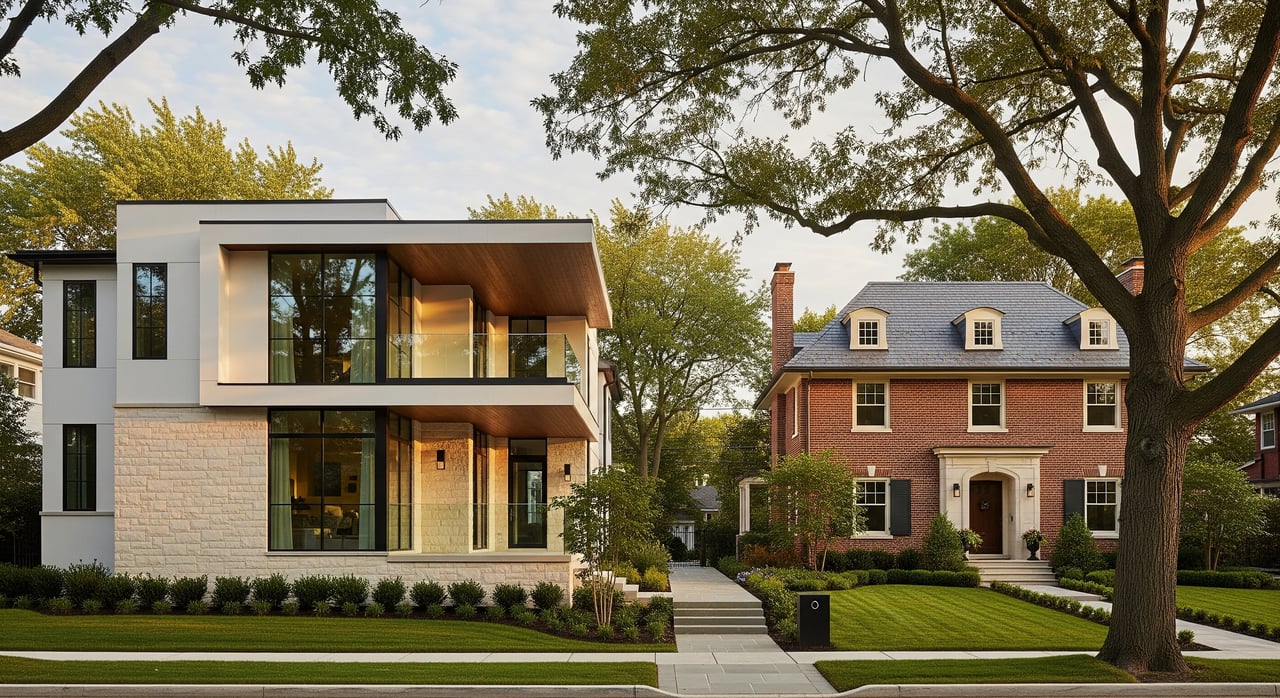
Thinking about building new or buying a resale home in Naperville? You’re not alone. Families often balance timing, budget, HOAs, inspections, and neighborhood feel while trying to make the right call. In this guide, you’ll compare both paths side by side, learn what matters most in Naperville, and leave with clear next steps. Let’s dive in.
Move-in timelines
New construction timing
If you want a brand-new home, plan for a longer runway. You’ll start with lot selection and a contract, then permitting and site prep. From there, construction timing depends on the build type and scope.
- Spec or inventory homes often run about 3 to 9 months from contract, especially if already underway.
- Semi-custom builds commonly take 6 to 9 months from contract.
- Full custom homes can take 9 to 18 months or longer.
Final municipal inspections and a certificate of occupancy are required before you can close and move in. Weather, supply chains, and inspection scheduling can shift target dates. Builders typically give a best estimate in writing and include contract language that allows adjustments.
Resale timing
If speed matters, resale usually wins. Once your offer is accepted, many buyers aim to close in roughly 30 to 45 days, depending on lender underwriting, appraisal, title work, and the seller’s timeline. Your inspection window is often 7 to 14 days and negotiable. For families who must move quickly, resale is often the faster path unless a suitable inventory new build is available.
Warranties and protections
New construction warranties
Most builders follow a common structure for coverage:
- About 1 year for workmanship and materials.
- Around 2 to 3 years for major systems, depending on the builder.
- Roughly 10 years of limited structural coverage, often backed by a third-party.
Expect an initial punch-list walk-through at substantial completion. You’ll submit warranty requests in writing and on timelines set by the builder or warranty provider. Coverage has limits and exclusions, so read the policy carefully and document issues promptly. A strong warranty is helpful, but it does not replace thorough inspections before closing.
Resale protections
In Illinois, sellers complete a standard property disclosure form that covers known material defects unless an exemption applies. Buyer protections usually come from your inspection contingency and any repairs or credits you negotiate. Optional home warranties can add 1-year coverage for certain systems and appliances, but plans and limits vary.
Lot premiums, pricing, and taxes
In new subdivisions, you’ll see pricing broken into a base home price, a lot premium, and your design options. A lot premium is the extra cost for a preferred location or size, such as a larger corner lot, a cul-de-sac, or a site near parks or commuter routes. In Naperville, demand often rises for lots with convenient access to Metra stations, major highways, and within established school boundaries. Verify current boundary maps and bus routes directly with the district.
Established neighborhoods can offer larger, tree-lined lots and mature landscaping that resale buyers value. Newer subdivisions may start with smaller lots, with premium sites carrying higher upfront costs. Keep in mind that property taxes are based on assessed value. A higher purchase price and builder-reported improvements can influence future tax bills. Review DuPage County assessment history and appeal timelines before you buy.
Inspections: what to order and when
New construction
- Pre-drywall or rough-in inspection: Have an independent inspector review framing, insulation, electrical, plumbing, roofing underlayment, and drainage before walls are closed.
- Final inspection and punch-list: Confirm systems function, verify grading and drainage, and note cosmetic and safety items before closing.
- Environmental tests: Radon testing is recommended, even for new homes, and mitigation should be verified or installed if needed. In unique cases, consider sewer verification, HVAC balancing, or water quality testing depending on site conditions.
Municipal inspections check code compliance, but they do not replace an independent buyer-focused inspection.
Resale
- General home inspection with a licensed inspector.
- Radon testing per federal and state guidance.
- Sewer scope, especially in older areas where laterals may be older or root-intruded.
- Pest/termite, chimney, or structural specialist as needed.
- Lead-based paint disclosure for homes built before 1978, with optional testing if you have concerns.
Build inspection windows into your contract, and set expectations for repairs or credits before deadlines.
HOAs: new vs established communities
New subdivisions are often under developer control for a period. During this phase, the developer or appointees set budgets, oversee amenities, and manage turnover timing. Early dues may be set low, with reserves growing later. Some communities require an initial capital contribution at purchase.
In established HOAs, you can review a clearer record of budgets, reserve balances, and any special assessments. In Illinois, the Common Interest Community Association Act outlines turnover and disclosure requirements. For any HOA, ask for the declaration, bylaws, current budget, reserve studies if available, and recent meeting minutes. Note rules on rentals, exterior changes, and parking before you commit.
Naperville has a mix of HOA and non-HOA neighborhoods. City and county rules, such as stormwater and tree preservation, may affect future changes to your property. Review permit history for past renovations and ensure any future plans align with local codes and HOA covenants.
Financing and timing strategies
- New construction: Align your lender’s process with the builder’s schedule. Longer build times may require rate-lock strategies or construction-to-permanent loans. If you need to sell your current home, consider bridge financing or a plan for temporary housing if closings do not align.
- Resale: Conventional purchase mortgages are more straightforward, and your closing date can be more predictable. If your offer is contingent on selling your current home, discuss strategies to stay competitive in multiple-offer situations.
Which path fits you?
Choose new construction if you
- Want to select finishes and customize layout within builder allowances.
- Prefer new systems and lower near-term maintenance.
- Can be flexible with your move-in date and build timeline.
- Are comfortable reviewing HOA setup, warranties, and lot premiums in detail.
Choose resale if you
- Need to move within the next 30 to 60 days.
- Value mature trees, established streets, and predictable neighborhood patterns.
- Prefer known HOA history or a non-HOA setting.
- Plan to remodel over time rather than choose everything upfront.
Quick checklists
Questions for a builder
- Can you provide a full price breakdown: base, lot premium, included features, and options?
- What is the estimated start-to-finish schedule, and what are the delay clauses?
- What does the warranty cover at 1 year, 2 to 3 years, and 10 years? Who backs the structural coverage, and how do I file a claim?
- Can I schedule independent pre-drywall and final inspections? How will punch-list items be handled before closing?
- Is the HOA formed? Please provide the declaration, bylaws, budget, reserve information, and turnover plan.
Questions for a resale home
- Can you share the seller disclosure and permit history for major work?
- Do you have recent invoices or warranties for roof, HVAC, foundation, and appliances?
- Will the seller allow a general inspection, radon test, and sewer scope, and how will major items be addressed?
- What are typical utility costs and the property tax history?
Inspection checklist highlights
- Pre-drywall: framing quality, moisture control, insulation, ventilation, plumbing and electrical routing, window flashing, and drainage slope.
- Final: doors and windows operation, HVAC performance, electrical safety and load, water pressure and hot water, grading and gutters.
- Environmental: radon test for all homes; lead considerations for pre-1978 homes; specialized tests as property conditions warrant.
What to do next in Naperville
- Define your move-in window and budget range.
- Decide whether customization or speed matters more.
- If building, shortlist subdivisions, review lot maps, and plan model-home visits.
- If buying resale, target neighborhoods and set showing alerts.
- Gather HOA documents early and review budgets and reserves.
- Estimate property taxes using recent assessments and similar sales.
- Line up an independent inspector and review sample reports.
- Confirm your financing approach and rate-lock plan.
If you want a local, step-by-step plan tailored to your needs, let’s talk. Whether you prefer English or Bosnian/Albanian/Serbo-Croatian, you’ll get clear guidance and a calm, organized path to the right home. Connect with Meldina Dervisevic for a friendly, one-on-one consultation.
FAQs
How much do premium lots cost in Naperville new construction?
- Lot premiums vary by subdivision, lot size, views, and proximity to amenities; review the builder’s price sheet and recent comparable sales rather than relying on averages.
Are new-home warranties enough, or should I add a home warranty?
- Builder warranties are valuable but limited; many buyers still add an optional 1-year home warranty for systems and appliances on top of structural coverage.
Can I schedule a pre-drywall inspection on a Naperville new build?
- Yes; request this in your contract and coordinate timing with the builder so your independent inspector can access the site before walls are closed.
How long does HOA turnover take in new subdivisions?
- Turnover depends on the community’s phasing and sales pace; review the declaration for the turnover trigger, current budgets, and any planned amenities.
If I need to sell first, can I still reserve a new-build lot?
- Some builders allow reservations or have preferred-lender programs, but terms vary; discuss timing, deposit policies, and contingency options before you commit.
Do I need a radon test or sewer scope in Naperville?
- Radon testing is recommended for all homes; a sewer scope is wise in older areas or when records are unclear, and sometimes for new builds to verify connections.
How will property taxes change when I buy new construction?
- Expect assessments to reflect your completed home’s value; confirm current tax rates, assessment timing, and appeal windows with DuPage County before closing.