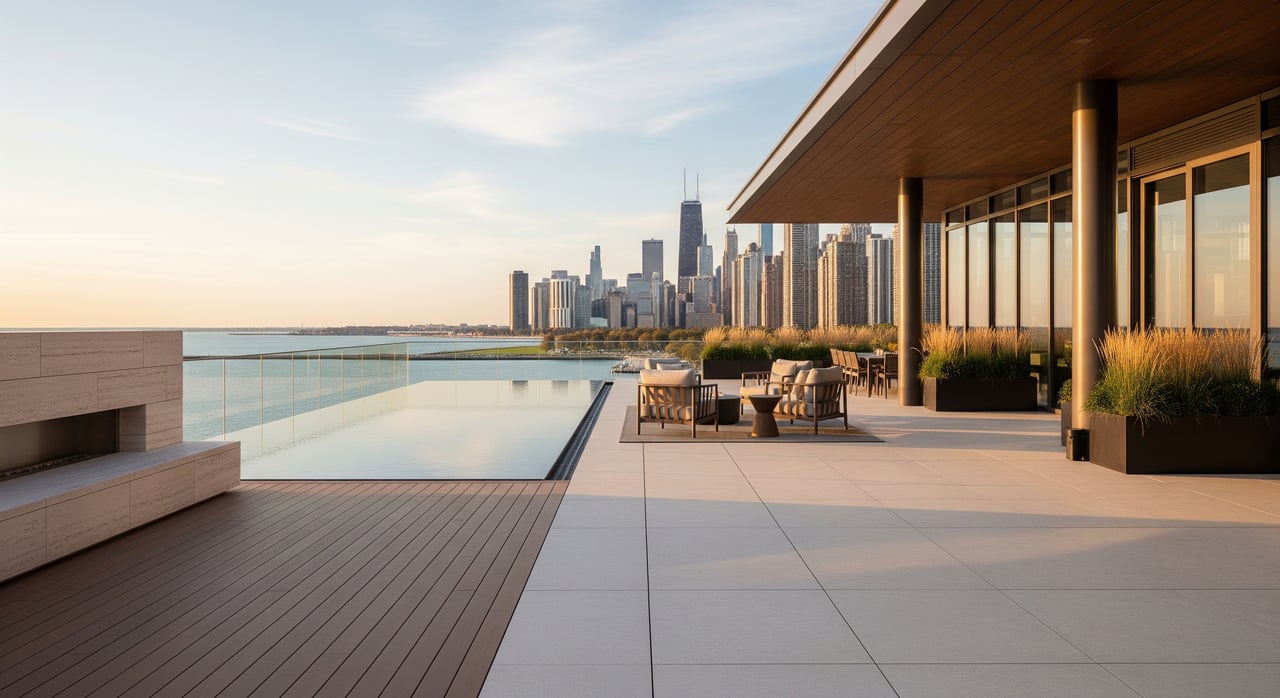
Picture this: morning runs along the Lakefront Trail, weekends on the beach, and skyline views from your window. If you are weighing a move to Chicago’s lakefront, you are not alone. The shoreline offers a wide spectrum of homes and lifestyles, from luxury towers to vintage walk-ups. In this guide, you will learn how the neighborhoods differ, what types of homes to expect, key costs to plan for, and how to match the right spot to your day-to-day life. Let’s dive in.
Lakefront neighborhoods at a glance
Streeterville, Gold Coast, Near North
- What you will find: Closest access to the Loop, major dining and shopping, and high-rise living near Navy Pier and Michigan Avenue.
- Typical housing: Luxury high-rise condos and newer towers with full amenities, plus a small number of historic townhouses in the Gold Coast.
- Lifestyle pros: Walk-to-work convenience, on-site amenities, sweeping views.
- Key cautions: Highest prices per square foot, heavier traffic and tourist activity.
- Commute: Shortest access to downtown offices and transit.
Lincoln Park
- What you will find: Large green space, beaches, a free zoo, and active retail corridors along Armitage and North Avenue.
- Typical housing: Vintage greystones, walk-ups, midrise condos, and select newer towers toward the lake.
- Lifestyle pros: Easy park and beach access, neighborhood retail and dining, broad mix of housing.
- Key cautions: Premium pricing, active pedestrian areas near parks and attractions.
- Commute: Moderate, quicker than far-north options.
Lakeview
- What you will find: Busy dining and nightlife corridors, access to beaches, and an energetic pace.
- Typical housing: Walk-ups, two- and three-flats, midrise condos, and some single-family homes farther west.
- Lifestyle pros: Lively neighborhood feel with quick access to the lake.
- Key cautions: Noise near entertainment streets, limited parking in some pockets.
- Commute: Moderate, with Red, Brown, and Purple Line options depending on location.
Uptown and Edgewater
- What you will find: Lakefront parks and beaches with a more relaxed rhythm north of Lakeview. Historic performance venues and community hubs.
- Typical housing: Mid- and low-rise vintage apartments and condos, with a larger share of rentals and some newer condo buildings.
- Lifestyle pros: Easier lake access at a relatively lower price point.
- Key cautions: Longer trip to the Loop and building conditions that can vary.
- Commute: Longer than Lincoln Park and Lakeview, centered on the Red Line and buses.
South Side lakefront: Bronzeville, Hyde Park, South Shore
- What you will find: Cultural institutions like the Museum of Science and Industry, lakefront parks and beaches, and distinct neighborhood identities.
- Typical housing: Historic greystones and walk-ups in Bronzeville, single-family homes and condos in Hyde Park, and older co-ops and apartment buildings in South Shore.
- Lifestyle pros: More attainable pricing near the water, strong cultural amenities, and proximity to the University of Chicago in Hyde Park.
- Key cautions: Buyers should evaluate micro-locations and building conditions carefully.
- Commute: Varies by transit connections. Options include CTA Green Line, buses, and Metra.
Near-lake options: Buena Park and North Center
- What you will find: Quieter residential streets just west of the lakefront with easy access to parks and trails.
- Typical housing: Single-family homes, two-flats, and walk-ups; fewer direct waterfront buildings.
- Lifestyle pros: More residential feel with quick access to lake amenities.
- Key cautions: Fewer direct-lakefront options and variable parking.
- Commute: Moderate to longer depending on train and bus lines.
Match your lifestyle to the right spot
Downtown commuter convenience
- Consider: Streeterville, Gold Coast, Near North.
- Why it fits: Short walk or quick transit to the Loop, full-service buildings.
- Best home types: High-rise condos in newer or luxury towers.
Parks, beaches, and active weekends
- Consider: Lincoln Park, Lakeview, Edgewater.
- Why it fits: Easy access to trails, marinas, beaches, and outdoor classes.
- Best home types: Midrise condos, walk-ups, two- and three-flats.
Value-minded near the water
- Consider: Uptown, Edgewater, Bronzeville, South Shore.
- Why it fits: Lake access with more attainable prices compared with downtown.
- Best home types: Vintage condos, co-ops, and select midrises.
More space and a quieter street feel
- Consider: North Center, Buena Park, and select pockets near the lake.
- Why it fits: Larger floor plans and single-family homes within reach of lakefront parks.
- Best home types: Single-family houses, townhouses, and two-flats.
University and cultural corridor access
- Consider: Hyde Park and nearby pockets.
- Why it fits: Proximity to the University of Chicago and the Museum of Science and Industry.
- Best home types: Condos, co-ops, and single-family homes depending on street and block.
Housing types on the lakefront
High-rise condos
- Where you see them: Streeterville, Gold Coast, Near North.
- Pros: Concierge and on-site staff, gyms and garages, skyline and lake views, simpler turnkey living.
- Cons: Highest price per square foot, substantial HOA fees for amenities, building rules can limit leases or pets.
Midrise and low-rise condos
- Where you see them: Lincoln Park, Lakeview, Uptown, and many South Side areas.
- Pros: Often lower price points than luxury towers, vintage character, sometimes lower monthly dues.
- Cons: Fewer amenities, older buildings may have deferred maintenance. Review reserves and inspection reports.
Historic walk-ups, two-flats, and greystones
- Where you see them: Near-lake streets across the North and South Sides.
- Pros: Character, flexible layouts, and sometimes better price per square foot.
- Cons: Older systems and potential long-term maintenance. Budget for updates.
Townhouses and single-family homes
- Where you see them: Scattered near the lake, more common slightly inland.
- Pros: More space and ground-level living, potential yard access.
- Cons: Higher purchase prices near the lake, limited inventory, and added costs like parking and property taxes.
Condos vs co-ops vs fee-simple
- Co-ops: Common in some older buildings. Expect board approval and loan limitations but sometimes lower monthly fees.
- Condos: Fee-simple ownership with generally easier financing and resale.
- What to verify: Bylaws, board interview needs, rental caps, sublet rules, and reserve fund health.
Costs to plan for
- Purchase price tiers: Lake-adjacent homes command a premium. The highest per-square-foot prices cluster in Streeterville and the Gold Coast, followed by Lincoln Park and Lakeview. Uptown, Edgewater, and parts of the South Side tend to be more affordable.
- HOA/condo fees: Luxury towers often have higher dues due to amenities and staff. Smaller buildings may have lower dues but can levy special assessments for major repairs.
- Property taxes: Cook County taxes vary by assessed value and local levies. Review recent tax bills and the appeal process.
- Utilities and heating: Confirm what your fees include. High-rises and older masonry buildings can handle utilities differently.
- Insurance: Standard homeowners or condo policies cover interiors. Flood insurance is usually separate. While Chicago protects public access along the lakefront, localized storm or flooding events can occur. Consult an insurance professional.
- Parking: Many buildings offer garage parking at a premium or as a separate purchase. Some locations have waitlists.
Getting around the lakefront
- Transit: The CTA Red Line runs north to south along the lakefront spine. Portions of the Brown, Purple, and Green Lines serve adjacent neighborhoods. Buses and Metra provide additional connections.
- Biking: Chicago maintains extensive bike lanes and the Lakefront Trail, which many residents use for commuting and recreation.
- Driving and parking: Street parking is regulated and limited in popular areas. Expect event and seasonal traffic near attractions and beaches.
Parks, beaches, marinas, and culture
- Green space and beaches: Grant Park, Millennium Park, Lincoln Park, and Jackson Park anchor the shoreline, with beaches at Oak Street, North Avenue, 31st Street, Rainbow Beach, and others.
- Boating: Major marinas include Monroe, DuSable, Belmont, and Diversey. Slip availability and costs vary by harbor.
- Attractions: The Art Institute of Chicago, Field Museum, Shedd Aquarium, and year-round festivals draw visitors downtown, while South Side neighborhoods offer access to the Museum of Science and Industry and local cultural venues.
Due diligence checklist
- Verify whether the property is a condo, co-op, or fee-simple and review governing documents.
- Request HOA budgets, reserve studies, special assessment history, and recent board minutes.
- Confirm which utilities and services are included in monthly fees.
- Hire an inspector familiar with older Chicago masonry and high-rise systems.
- Check parking availability, costs, and any waitlists.
- Consider sound: proximity to busy streets, event spaces, and nightlife corridors.
- Get insurance quotes and ask about the building’s claim history.
- Test your commute during the hours you will actually travel.
- Confirm school options if relevant and review city policies for selective enrollment.
- If you plan to rent: review building rental policies and short-term rental restrictions.
Your next step
Lakefront living in Chicago is not one-size-fits-all. Your best fit comes from balancing space, amenities, monthly costs, and everyday routines like commuting and outdoor time. If you want expert guidance that is responsive, multilingual, and grounded in decades of local experience, connect with Meldina Dervisevic for a tailored plan and on-the-ground tours.
FAQs
Are Chicago lakefront homes a good investment?
- Lake access supports strong lifestyle appeal and can help resale values, but results vary by building condition, location, market cycles, and monthly costs. Treat it as both a home and an asset.
Do Chicago lakefront condos require flood insurance?
- Many condos are not in FEMA flood zones, but localized storm and wind events happen. Review FEMA maps and consult an insurance professional to understand optional coverage.
How do HOA fees compare on the Chicago lakefront?
- Luxury towers usually have higher dues due to amenities and staff. Smaller walk-ups may have lower fees but can face special assessments and leaner reserves.
Is parking included with lakefront condos in Chicago?
- Not always. Many buildings sell or lease parking separately, and some have waitlists. Confirm availability and cost before you make an offer.
What should I know about Chicago co-ops vs condos near the lake?
- Co-ops may have stricter approval processes and financing limits, while condos typically offer simpler lending and resale. Always review bylaws and reserve funds.
How long is the commute from north-side lakefront areas to the Loop?
- Commutes are shortest in Streeterville and the Gold Coast, moderate in Lincoln Park and Lakeview, and longer in Uptown, Edgewater, and many South Side areas depending on transit.